

Five Material Innovations Shaping the Future of EV Powertrain Systems
Time: 2026-07-10 15:17:13 Copyfrom: SuZhou Volsun Electronics Technology Co.,Ltd.
The rapid development of electric vehicles is transforming not only how vehicles are powered but also how they are designed, manufactured, and maintained.
During TMC2026, one message was clear across technical presentations and industry discussions: future innovation will depend not only on advances in motors, batteries, and electronic control systems, but also on the materials that support them.
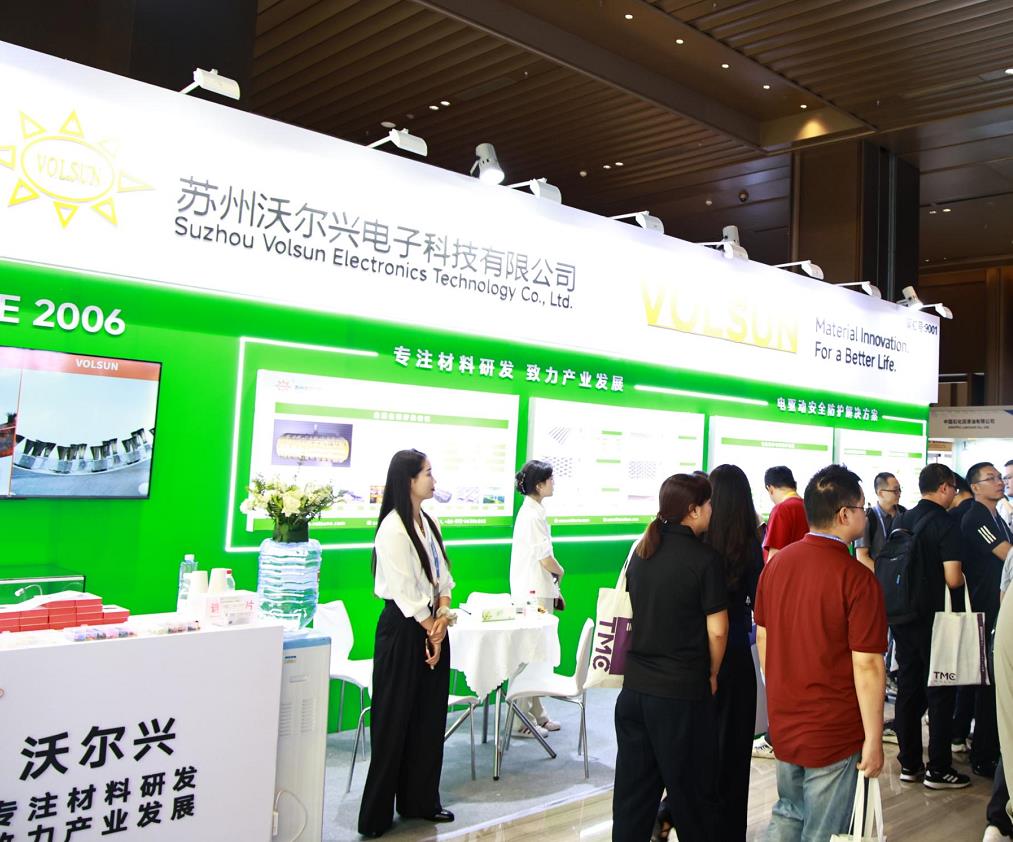
From electrical conductivity and thermal management to insulation and environmental protection, advanced materials are becoming key enablers of next-generation EV technologies.
Here are five material trends that are shaping the future of electric powertrain systems.
1. Reliable Shaft Current Protection Is Becoming Standard
As inverter-driven motors operate at higher switching frequencies, shaft current has become a growing concern across the EV industry.
Rather than treating shaft current as an afterthought, many manufacturers are now integrating shaft grounding solutions into motor designs from the beginning. Advanced shaft grounding rings help safely discharge unwanted current while improving motor reliability and reducing maintenance costs.
This shift reflects the industry's growing emphasis on long-term durability rather than simply increasing motor performance.
2. Conductive Materials Are Evolving Beyond Traditional Metals
Conductive materials are no longer limited to conventional metal contacts.
Innovations such as metallized carbon fiber combine excellent electrical conductivity with flexibility, lightweight construction, and wear resistance. These advanced materials provide more stable electrical contact under demanding operating conditions, making them well suited for high-speed electric drive motors.
As EV systems continue to evolve, conductive material technology will play an increasingly important role in improving both performance and service life.
3. Thermal Management Is Moving Closer to the Components
Higher power density means higher operating temperatures.
Power modules, onboard chargers, DC/DC converters, and battery management systems all require efficient heat dissipation to maintain stable performance.
Silicone thermal pads improve thermal contact between components, while silicone potting compounds combine heat dissipation with insulation and environmental protection.
This integrated approach helps improve the reliability of electronic assemblies operating under demanding automotive conditions.
4. Material Innovation Is Becoming a Competitive Advantage
For many years, improvements in EV performance focused primarily on motors, batteries, and electronic control systems.
Today, the conversation is expanding.
Advanced materials are no longer simply supporting components—they are enabling new levels of efficiency, durability, and reliability.
Companies that invest in material innovation are better positioned to solve complex engineering challenges, reduce maintenance requirements, and extend product life across the entire vehicle.
As EV technology continues to mature, material performance will become an increasingly important factor in overall system competitiveness.
Looking Ahead
The future of electric mobility will be shaped by more than breakthroughs in hardware. It will also depend on the continuous development of advanced materials that improve conductivity, thermal management, insulation, sealing, and long-term reliability.
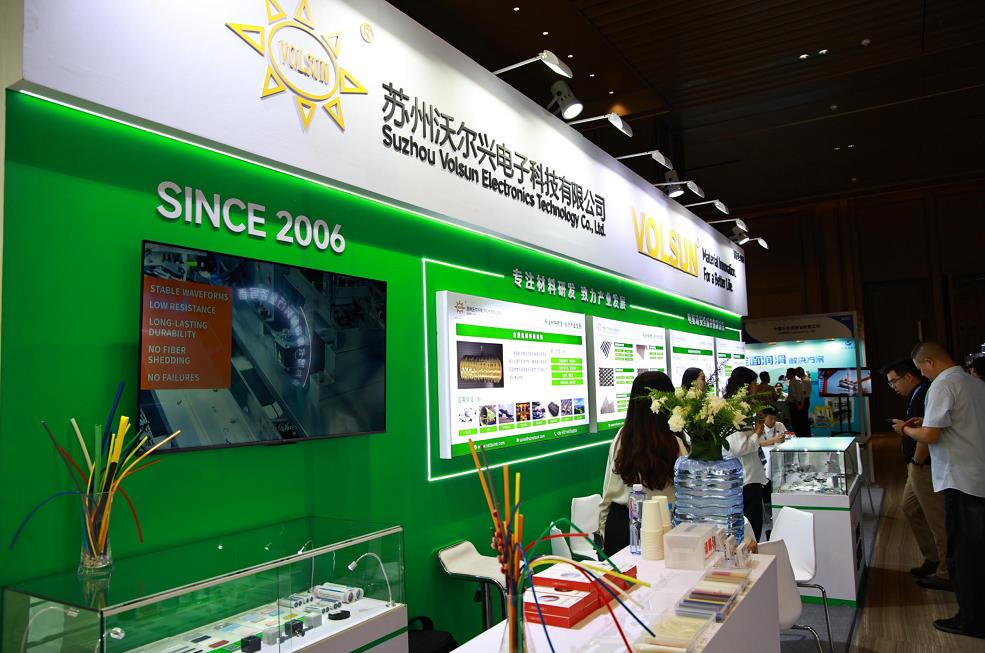
At TMC2026, Volsun presented its latest material solutions designed for modern EV powertrain systems, including third-generation shaft grounding rings, metallized carbon fiber technology, silicone thermal pads, and silicone potting compounds.
Building on nearly two decades of experience in functional polymer materials, Volsun continues to develop practical solutions that help customers improve product reliability and support the evolving needs of the electric vehicle industry.
KEYWORD:Shaft Grounding Ring, Silicone Thermal Pad,Silicone Potting Compound
RELATED_ARTICLES:
Five Material Innovations Shaping the Future of EV Powertrain Systems
Why Volsun Shaft Grounding Outperforms Old Carbon Brush Solutions
Why Your Electric Motor Needs a Shaft Grounding Ring: The Ultimate Shield Against Bearing Failure
Shaft Grounding Ring: A Protective Shield Against Electrocorrosion For EV Motors
Volsun The Third-Generation Shaft Grounding Ring Effectively Combats Electrical Corrosion
Volsun Won Honors of "Innovative Enterprise of the Year" and "Excellent Key Technology of the Year"
Volsun VS-RD Shaft Grounding Rings Conductive Ring for Bearing Protection
VS-TP2001 Silicone Thermally Conductive Potting Compound


